How the lookup goes
1a. What you see, in order
You enter the number with its country code, and the city or country of its area code is read back to you. A short identification run plays while the number is being checked. Then the caller card comes up with the owner, carrier, line type, linked profiles, spam reports and other numbers, after one quick check.
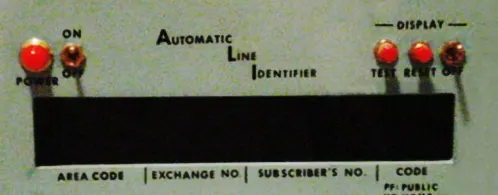
1b. The same question, 1971
What people get wrong about unknown calls
| Belief | Fact |
|---|---|
| The number on your screen is always the line that called you. | Caller ID can be spoofed to show a number that is not the caller's. Look the number up and compare its owner with the call you got before you trust it. |
| An unknown number is always spam. | Offices, couriers and new contacts also call from numbers you have not saved. Check the owner and the line type before you block it. |
| Calling back is the fastest way to find out. | A call back tells whoever is on the other end that your line is answered. Read the spam reports first, then choose whether to dial. |
Three ways to name a caller, most effort first
- 3a
Call the number back
You learn something only if somebody picks up, and they learn that your line is answered.
- 3b
Search the number on Google
You read through people search listings and forum posts and put the owner together yourself.
- 3c
TruePeopleSearch phone lookup
You enter the number with its country code, and one caller card gathers the owner, carrier, line type, linked profiles and spam reports. The card opens after one quick check.

The number is on your screen. The owner's name is one card away.
Name the caller